Epinephrine (medication)
Life-saving medication for anaphylaxis and cardiac arrest.

Epinephrine, also known as adrenaline, is a medication and hormone used to treat several conditions including anaphylaxis, cardiac arrest, asthma, and superficial bleeding. It is given intravenously, by injection into a muscle, by inhalation, or by injection just under the skin. Epinephrine is normally produced by the adrenal glands and a small number of neurons in the brain, where it acts as a neurotransmitter, playing an essential role in the fight-or-flight response.
- field
- Medicine, Endocrinology
- known_for
- Treatment of anaphylaxis, cardiac arrest, asthma; fight-or-flight hormone
- who_isolated
- Jōkichi Takamine
- world_health_organization_list
- Essential Medicines
Lore & Background
It is on the World Health Organization's List of Essential Medicines and is available as a generic medication. The word epinephrine is formed from the Ancient Greek ἐπι- (epi-, 'on') and νεφρός (nephros, 'kidney') because the adrenal glands, where it is produced, are located just above the kidneys.
Reader's Guide
Epinephrine is the only life-saving treatment for anaphylaxis, and it is also used for cardiac arrest, asthma when other treatments are not effective, and superficial bleeding. Inhaled epinephrine may improve symptoms of croup. While it improves return of spontaneous circulation in cardiac arrest, it has not been shown to improve long-term survival or mental function after recovery. Common side effects include shakiness, anxiety, and sweating; a fast heart rate and high blood pressure may occur, and occasionally an abnormal heart rhythm. Epinephrine is produced synthetically and is not harvested from animals. Its significance lies in its essential role in emergency medicine, particularly for anaphylaxis, and its inclusion on the WHO Essential Medicines list underscores its global importance.
Did You Know?
- Epinephrine is normally produced by both the adrenal glands and a small number of neurons in the brain, where it acts as a neurotransmitter.
- Epinephrine is found in many animals and some single-celled organisms, but the medication is produced synthetically.
Definition and Everyday Practice
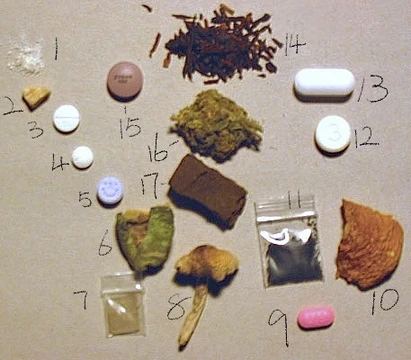
Self-medication, often referred to as do-it-yourself medicine, describes the act of an individual choosing to treat a physical or psychological complaint—ranging from a simple headache to persistent fatigue—without the direct involvement of a licensed medical professional. In its broadest formulation, the term covers both the use of any drug to address a self-diagnosed symptom and the continued or intermittent use of a prescribed medication for a chronic condition, including situations where a drug is taken outside its licensed indication. The substances most frequently involved are over-the-counter products and dietary supplements, which in many nations can be purchased at supermarkets or corner shops without any prescription. Beyond pharmacological agents, the concept extends to behavioral strategies such as consuming comfort food, drinking alcohol, or using recreational substances to ease stress, anxiety, or the aftermath of psychological trauma. For university and college students, the literature documents widespread reliance on prescription stimulants like Adderall, Ritalin, and Concerta as informal study aids. At its core, the practice reflects a desire for personal autonomy from the formal medical system and is frequently framed as an extension of the right to decline professional treatment.
The Self-Medication Hypothesis
The Self-Medication Hypothesis, first articulated through papers by Edward Khantzian, Mack and Schatzberg, and David F. Duncan, proposes that a person's selection of a particular psychoactive substance is far from random. The drug of choice is shaped by the individual's underlying psychological condition: the substance is selected because its specific pharmacological effects relieve the particular form of distress that person experiences. Khantzian, working from a psychodynamic perspective, described the drug as an ego solvent reaching parts of the self walled off by defense mechanisms. The dependent individual gradually weaves the drug's effects into the ego's own structure-building activity, so the substance replaces missing or malfunctioning defense mechanisms. Duncan, by contrast, grounded his model in behavioral science, emphasizing positive reinforcement such as the pleasurable high and social approval, negative reinforcement through reduction of unpleasant affect, and avoidance of withdrawal. Khantzian later refined the hypothesis, arguing that psychiatric symptoms rather than broad personality styles lie at the center of drug-use disorders. The individual's final drug preference emerges through personal experimentation, in which the drug's main effects, inner turmoil, and personality traits interact to produce the desired relief.
Behavioral Reinforcement and the Public Health Model
Duncan's contribution to the self-medication literature shifted attention away from purely psychodynamic explanations toward the mechanics of reinforcement. He identified three key drivers in problematic drug use: positive reinforcement such as the euphoric high and peer approval, negative reinforcement through the relief from negative emotional states, and the avoidance of withdrawal symptoms. Crucially, Duncan argued that while earlier operant-conditioning models treated both positive and negative reinforcement as necessary for dependence, it was negative reinforcement that actually sustained the cycle. He then reframed the problem using a public health analogy: the chosen drug acts as the infectious agent, the user as the host, peers serve as the vector of transmission, and the surrounding environment—marked by stressors and a lack of social support—nurtures the disease process. This framework helps explain why the same substance can produce casual recreational use in one context and a debilitating dependence in another. Duncan's work also drew a sharper line between recreational and problematic consumption, noting that the full constellation of reinforcement mechanisms is not present in every person who uses a drug recreationally. The model thus provides a structured lens for understanding how self-medication can tip from a coping strategy into a self-perpetuating cycle of harm.
Societal Pressures, Marketing, and Unintended Consequences
The practice of self-medication does not exist in a vacuum; it is shaped by economic, legal, and cultural forces. In the United States, soaring health-care costs push some patients toward DIY treatment simply to avoid prohibitive prices. Others turn to self-administered remedies because they disagree with a physician's interpretation of their condition, or because they seek experimental therapies that remain inaccessible through official channels. Legal barriers create additional pressure: some transgender individuals and women seeking self-induced abortion resort to DIY medicine when professional care is restricted by law, and anarchist convictions can also motivate a rejection of institutional medicine. On the commercial side, manufacturers have exploited the self-medication narrative to market products on questionable evidence—nicotine, for instance, has been promoted as a self-administered medicine, a claim independent researchers have called inaccurate, while dietary supplements circulate with unverified third-party health claims. The public-health stakes are serious: self-directed antibiotic use has been identified as a primary driver of antimicrobial resistance, and the broader practice carries a real risk of unintentional self-harm. Yet for many, the act remains an assertion of personal independence and a closely related human right.
Frequently Asked Questions
Who is Epinephrine (medication)?
Epinephrine, commonly called adrenaline, is a hormone naturally produced by the adrenal glands and certain brain neurons that has also been developed as a critical emergency drug. In the body it acts as a neurotransmitter central to the fight-or-flight response.
What are Epinephrine (medication)'s powers/role?
Its core 'abilities' include reversing anaphylactic shock, restarting a stopped heart, opening constricted airways in acute asthma, and constricting vessels to control superficial bleeding. Clinicians can deliver it via IV, intramuscular injection, inhalation, or subcutaneous injection.
How does Epinephrine (medication)'s story end?
Epinephrine has no narrative ending; instead it remains a permanent fixture in emergency and critical-care medicine worldwide. Its listing on the WHO Essential Medicines list guarantees continued global access for the patients who depend on it.
Why is Epinephrine (medication) important?
It is the single most important rescue drug for anaphylaxis and a backbone of cardiac-arrest protocols, meaning it can literally buy the minutes that save a life. Beyond the clinic, its role in the fight-or-flight response underscores how central it is to basic human survival.
More in Addictive Substances & Medications 1-24
Spotted an error? Know more?
This is a living reference — every entry is fact-audited, and reader corrections feed straight into our audit queue. Suggest an edit · See this site's audit record